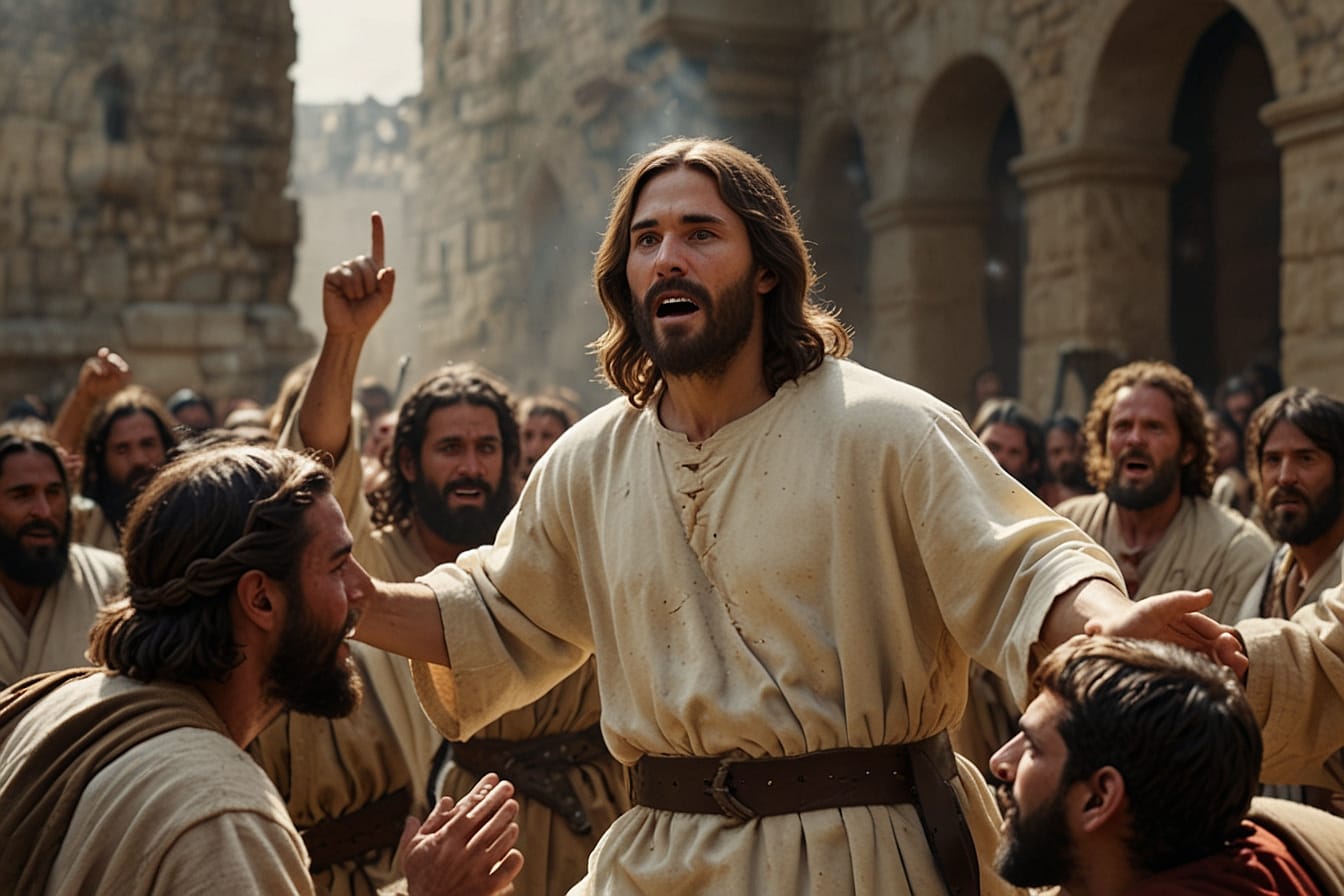
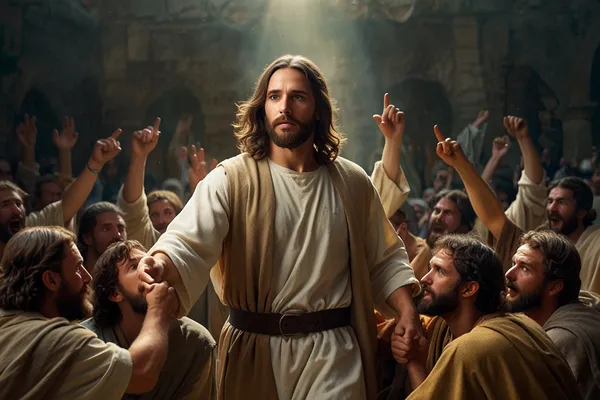
Jesus did not come to earth to start a religion.
Religions require walls.
He spoke of doors.
His earliest followers did not call themselves a church.
They called themselves The Way —
not a doctrine to defend,
but a direction to walk.
A way does not demand agreement.
A way only asks: Are you moving?
One of the most unsettling things Jesus ever said was this:
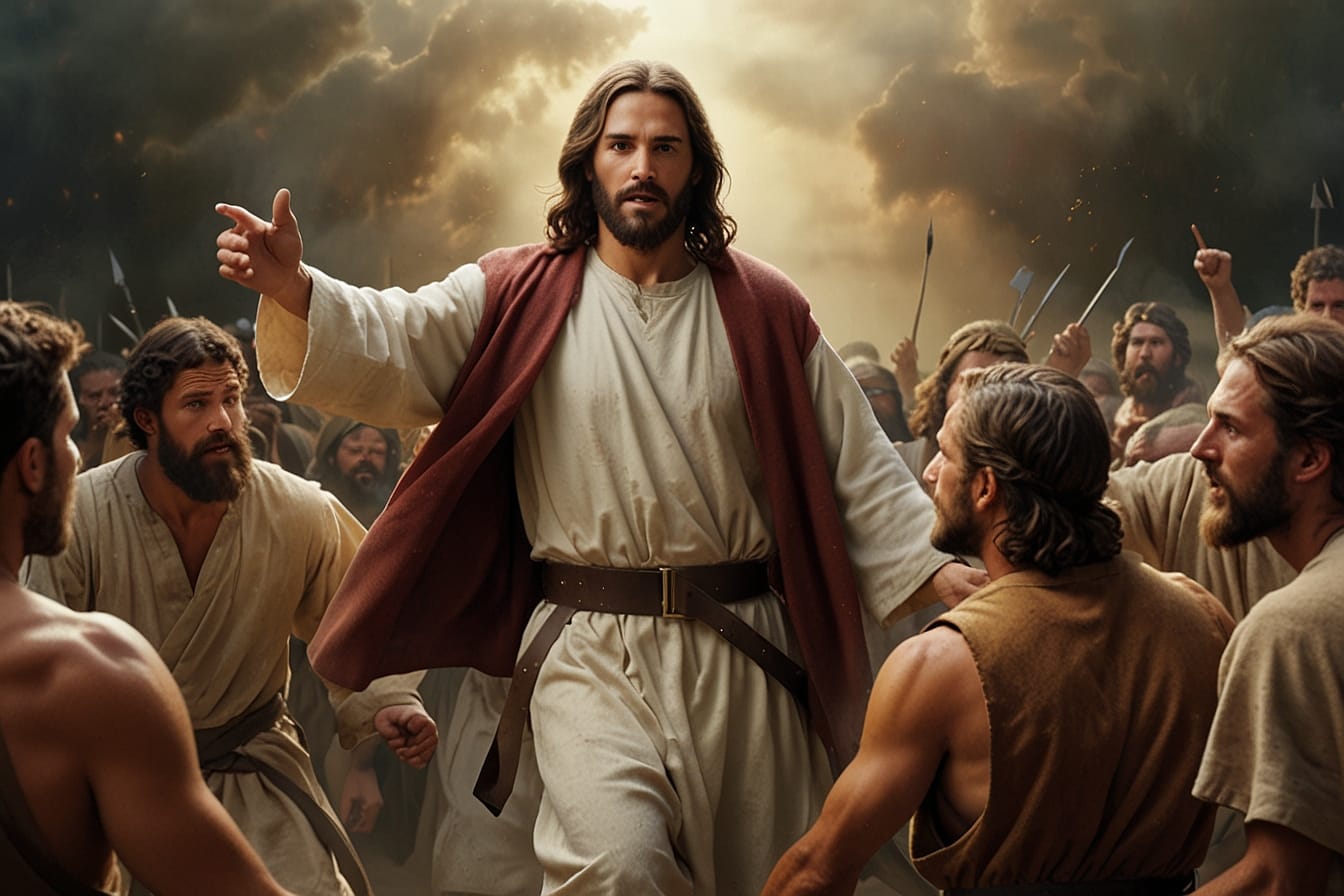
“The kingdom of heaven is within you.”
Not later.
Not after death.
Not after approval.
Here. Now. Already.
He was not pointing toward a throne in the sky,
but toward an awareness in the soul.
He was not asking for worship of a man,
but recognition of a presence —
a living, breathing relationship with the divine
experienced through awareness, not fear.
And this is where the paradox begins.
After his death, institutions formed.
And institutions, by their nature, seek preservation.
Preservation leads to control.
Control reshapes messages.
Slowly, subtly, the invitation changed.
From:
You are one with God.
To:
God is separate — and you must earn your way back.
But the original invitation never expired.
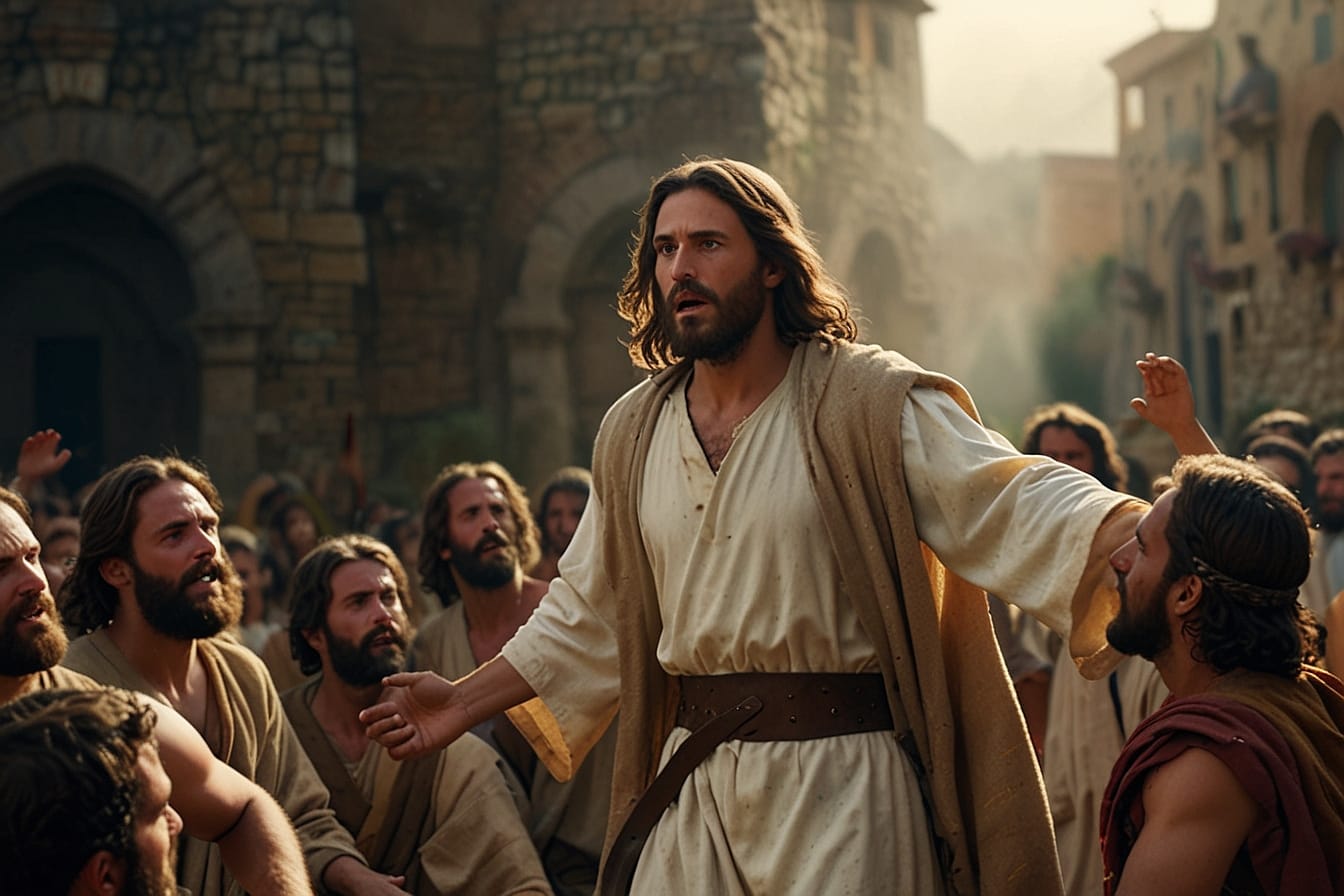
“You were never meant to follow a religion — you were invited to wake up.”
It still whispers beneath doctrine.
It still breathes beneath ritual.
It still waits beneath belief.
When you step beyond dogma and listen deeply,
you discover something unsettling and liberating:
You were never meant to follow a religion.
You were invited to wake up.
To realize that the divine you seek
has been quietly living within you all along.
Not as an object of belief.
Not as a reward.
But as awareness itself.
This is the Way.
And the Way has no gatekeepers.
I. The Heart of Paradoxism
The Way That Lives Within You
Jesus did not come to build a religion.
He came to reveal a way of seeing.
His first followers did not gather around a doctrine.
They gathered around a direction.
They called it The Way.
A way does not demand belief.
A way asks only whether you are willing to walk.
When Jesus Christ said,
“The kingdom of heaven is within you,”
He shattered time, hierarchy, and fear in a single sentence.
Not later.
Not after death.
Not after permission.
Within you.
He did not point upward.
He pointed inward.
What he revealed was not a distant ruler,
but a living presence —
a direct, breathing relationship with the divine
experienced through awareness, not obedience.
This was the invitation:
Not to worship a man.
Not to submit to a system.
But to wake up.
After his death, structures formed.
Structures always do.
And structures, by their nature, seek stability.
Stability becomes authority.
Authority becomes control.
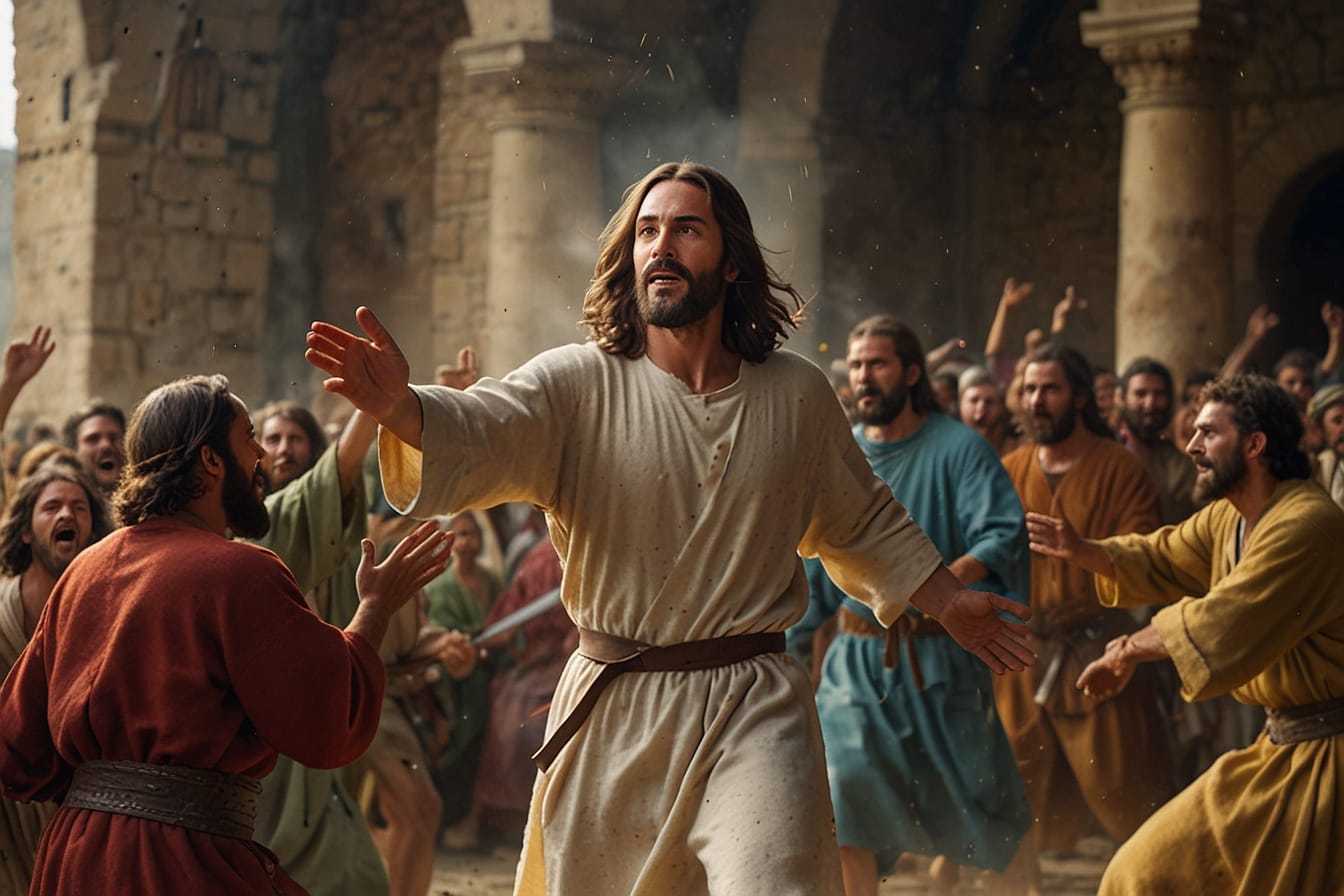
“The Way is not a belief system, but a direction of consciousness.”
Slowly, almost imperceptibly, the message shifted.
From:
You are one with the divine.
To:
The divine is separate — and you must earn your return.
But truth does not expire when misinterpreted.
It waits.
It waits beneath rituals.
It waits beneath scriptures.
It waits beneath doubt.
Paradoxism names this waiting truth.
It says:
God is real — as presence, awareness, consciousness itself.
God does not exist — as an external object, ruler, or gatekeeper.
The paradox is not a contradiction.
It is a mirror.
You were never meant to inherit beliefs.
You were invited to recognize what has always been here.
The divine you seek
has been quietly living within you
as the one who is aware.
This is the Way.
It has no temple,
because awareness needs no walls.
It has no priesthood,
because no one can stand between you and your own consciousness.
It has no final answers,
because awakening is not a conclusion —
It is a practice.
Walk gently.
Walk honestly.
Walk awake.
This is the heart of Paradoxism.
II. Welcome to Paradoxism
Not a Religion — Not an Absence of Spirit
“Paradoxism does not give answers — it sharpens awareness.”
Many arrive here carrying a quiet confusion:
“If this isn’t a religion, is it spiritual?”
“If there is no doctrine, what holds it together?”
“If no one is in charge, how does it not fall apart?”
These are honest questions.
Paradoxism welcomes them.
Paradoxism is not a religion, because religion organizes belief.
Paradoxism does not ask what you believe.
It asks what you have noticed.
Religion often begins with answers.
Paradoxism begins with awareness.
Religion tends to say, “Here is the truth.”
Paradoxism asks, “What is true in your direct experience?”
Paradoxism is spiritual — because it takes consciousness seriously.
It does not dismiss the sacred.
It removes it from confinement.
The sacred is not locked in temples, texts, or authorities.
It lives where awareness meets honesty.
Prayer may become silence.
Faith may become attention.
Worship may become compassion.
All are welcome.
None is required.
Paradoxism does not reject God.
It rejects the idea that God must be distant, external, or controlled.
Some in Paradoxism will call the divine “God.”
Others will call it consciousness, presence, love, or mystery.
Some will use no name at all.
What matters is not the word —
But the recognition.
Paradoxism does not replace religion with disbelief.
It replaces fear with curiosity.
Obedience with authenticity.
Certainty with humility.
You are not asked to convert.
You are not asked to agree.
You are not asked to surrender your mind.
You are invited to explore —
to test —
to discard what deadens you
and keep what awakens you.
This is the Jeet Kune Do of the soul.
Absorb what is useful.
Release what is not.
Add what is uniquely your own.
The only shared agreement:
Be honest with yourself.
The only shared direction:
Toward awareness, compassion, and lived truth.
If you are looking for rules,
You may feel lost here.
If you are looking for permission
to wake up without pretending certainty —
You are home.